










Avoid razor burn: 5 tips against razor burn on the neck
Prevent Razor Burn: 5 Tips to Prevent Razor Burn on Your Neck
Redness, itching, swelling, pimples. None of it is particularly bad, but it's not exactly a feel-good booster either. Razor burn often looks like a rash and is never welcome. We'll explain exactly what razor burn is, how to prevent it, and what to do in an acute emergency.

How to easily prevent razor bumps and razor burn
In our video, we show you how to prevent razor bumps and razor burn.
What is razor burn & how does it occur?
Razor burn usually results from improper shaving technique. Often, the hair follicle becomes inflamed, which can cause pain for several days. If the hairs do not continue to grow through the intended growth canal but change direction, small bumps develop, under which the hair continues to grow. Whether with or without pus - from discomfort to abscesses that can develop - we'd rather do without it entirely. Since the neck is particularly sensitive, razor burn is quite common here. Added to this is the strong, thick hair of the beard, which also promotes razor burn. If you only notice slight redness and irritation on your face after shaving, it should subside after a few hours. However, real razor burn can last up to a week or longer.

How to prevent unpleasant razor burn
You can prevent razor burn during your next shave with these simple tips and home remedies:
1. Prepare your skin for shaving
The skin is the largest organ of the body and at the same time very sensitive. Therefore, you should always take your time when shaving. Before shaving, place a damp, warm towel on your face for a few minutes. This softens the beard hairs, opens the pores, protects and soothes the sensitive skin, and thus facilitates shaving. It works like a small miracle.

2. DON'T: Avoid dry shaving
In general, men, especially if their sensitive skin is prone to razor burn, should avoid dry shaving. Whether it's shaving foam, shaving oil or shaving gel: the protective film prevents skin redness, rashes, skin irritation, itching or razor bumps. If you don't have anything at hand, you can also use coconut oil or conditioner.

3. How to: Shave correctly
Even if it sounds trivial, it could be that you are shaving incorrectly. Especially with sensitive skin, you should first shave with the grain of your hair. This way, the hairs are not torn against the growth direction, and you'll also catch ingrown hairs better. Press your razor very lightly onto your skin and let the blade(s) glide gently. If the result isn't smooth enough in some areas, you can then shave against the grain, as your beard hairs are now super short. Important: Don't forget to reapply shaving foam, gel, or similar!

If you notice ingrown hairs before shaving, try to carefully remove them with disinfected tweezers. It also helps to start shaving at the cheeks, where the hairs are often finer and take less time to soften compared to thicker hairs. We also have a great video and another article on the topic of how to shave your beard correctly for you.
4. Must-Have: Sharp and clean razor blades
Yep, it should be obvious, but it's too often forgotten. Whether you use a straight razor or a conventional razor, you shouldn't do without sharp razor blades. The duller the blade, the harder you press your razor onto your skin – and we now know that's not good. Your razor blades should always be clean. There are small brushes that help remove dead skin particles and hairs from the razor head. Also, dry blades after shaving to prevent rust. Before your next shave, you can also disinfect the blades. Oh, and sharing razors isn't the best idea...
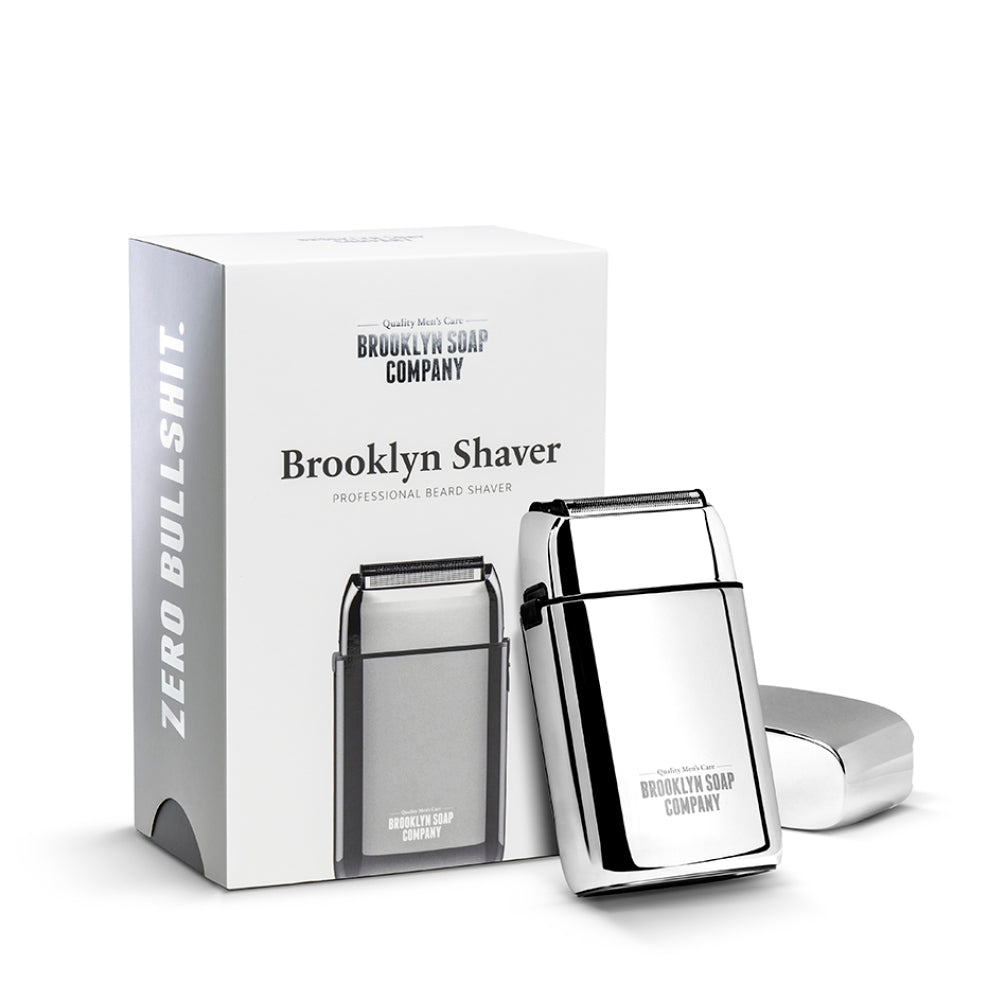
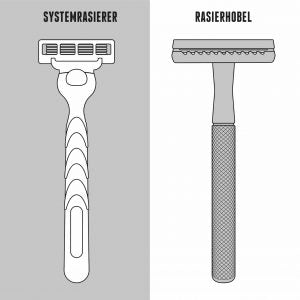
However, regularly changing blades or razors (if you use disposable razors) creates a lot of waste. If sustainability is important to you, then check out safety razors or straight razors. These are not new, but tried and tested razors where only the blades need to be changed or sharpened, and not the entire five-blade plastic head. Or you can invest in an electric shaver with lifetime sharp blades.

5. Post-shave care
After shaving comes before shaving. Okay, that was a bit flat, but it's true. Especially if you tend to have dry skin, you should moisturize your skin sufficiently after shaving. First, you should thoroughly and gently remove any remaining shaving foam or shaving oil.

Afterwards, natural care products are best, as the skin is particularly irritated and sensitive after shaving and more susceptible to razor burn. This means: steer clear of products with alcohol and opt for creams with ingredients like aloe vera. Aftershave is not suitable for everyone. Aftershaves have an antibacterial effect, prevent inflammation, and can also be soothing and moisturizing. However, if you generally tend to have dry skin, you should look for aftershave creams. These are milder and provide extra moisture.

Great ingredients for both aftershave products are:
Aloe Vera is very moisturizing and soothing
Tea tree oil has antibacterial and cooling properties
Vitamin E prevents inflammation
Chamomile has healing and soothing properties
It's important to leave your skin alone for a while after this. Don't scratch or constantly touch your face – you really don't need those bacteria now. Your skin will also appreciate a few days without a razor blade, of course!
SOS Razor Burn
You didn't have enough time, the water wasn't warm, or you ran out of shaving cream today of all days. Here are a few things that help immediately:
Ice Cubes
Ice cubes provide initial relief if razor burn causes a literal burning sensation. But don't cool for more than 3-4 minutes at a time, otherwise, you risk frostbite.
Aloe Vera
Aloe Vera – fresh, if possible. Cut one of the larger, outer leaves as close to the root as possible. The leaf should stand for a few minutes with the cut side down so that the aloin-containing sap can drain. Then remove the outer leaf layer and collect the inner, clear gel in a bowl. You can either process it further with a blender or apply it directly to your skin. The plant has cooling, soothing, and very moisturizing properties.
Baby Powder
Baby powder soothes sensitive skin. Leave on briefly and rinse off.
Chamomile
Infuse chamomile tea bags, blossoms (or oil) with hot water, let steep and cool, then dab onto the skin with a clean (!) washcloth.
Care Routine
In general, you should care for your skin not only before, during, and after shaving, but always. Day in and day out, it gets contaminated by various bacteria, dirt, etc., and appreciates a little attention from you. Don't worry, you don't need an infinite number of products; often, less is even more. If you'd like more tips on skin care, feel free to check here.
FAQ
Why spray aftershave instead of rubbing?
Razor burn not disappearing?
You've followed all the tips and your skin is still itchy? The rash after shaving is painful and your skin doesn't calm down even after a few days? Then go to a dermatologist. It doesn't have to be anything serious, but it doesn't hurt to have it checked out.
Is one blade better than five?
Five blades often shave more thoroughly and faster than one. However, this also puts more strain on the skin. In addition, the blades in a safety razor are usually much sharper and more precisely made than the multi-blades in system razors. Besides the sustainability aspect and the lower costs when buying individual blades for the safety razor, the skin is particularly soft after shaving with a single, sharp blade.
Discover more shaving care tips in our Academy

Read more

Grow, Trim, Maintain & Style a Chin Beard Alongside the full beard and the 3-day beard, the chin beard and goatee are among the mos...
Grow, Trim, Maintain & Style a Chin Beard Alongside the full beard and the 3-day beard, the chin beard and goatee are among the mos...