







Beard itches? Our tips for dealing with annoying itching
Beard itch? Our tips against annoying itching
Scratching is not a solution. Even if you see no way out, let us help you!
Annoying beard itch is something nobody wants, and yet it plagues us again and again – some more than others. Your first thought is probably to just shave it off and be done with it. But before you do that, try our tips and tricks first. An important piece of information upfront: it's not the beard that itches, but the skin underneath. The key to combating the itch lies in proper beard care. However, since there are several causes, there is unfortunately no one-size-fits-all solution.

Common causes of beard itch
To find the perfect solution for you, you should first become aware of the cause. We have listed the most common ones for you, along with a few tips.
Cause #1: Overly dry facial skin
Especially in winter, the skin is dried out by heating air, and in summer by heat and air conditioning. In addition, shower gel is often "mistaken" for beard shampoo. This severely dries out your facial skin, as shower gel is designed to completely degrease and also has a different pH value. But hot water during showering or washing, blow-drying, and insufficient fluid intake also promote dry skin.

Cause #2: Worn razor blades
Dull blades promote razor burn and ingrown hairs, which in turn leads to itching. Depending on the blade quality, they should be changed frequently - and frequently does not mean once or twice a year! Depending on use, a new blade should be used or the razor sharpened every 3-5 days or at the latest every 14 days. If you are unsure whether it's time for a new blade, pay close attention to whether it still cuts your hair cleanly or rather pulls it.

Cause #3: Bacteria & Dandruff
Every day, bacteria and skin flakes accumulate in your beard. But it sounds worse than it is. By constantly touching your face, microbes get into your beard and stay there. But you can easily solve this. Another point is dandruff. What you may already know from your scalp, you sometimes find in your beard. If you want to know more about this, take a look here.

Cause #4: Ingrown hairs
Often, ingrown hairs are the result of an unfortunate shave and a razor burn. These are not only uncomfortable and visually less appealing, but the inflammation can also be quite itchy or even painful.
What to do if your beard itches?
Now you know why your beard itches – we'll tell you what you can do about it.
Tip #1: Wash and care
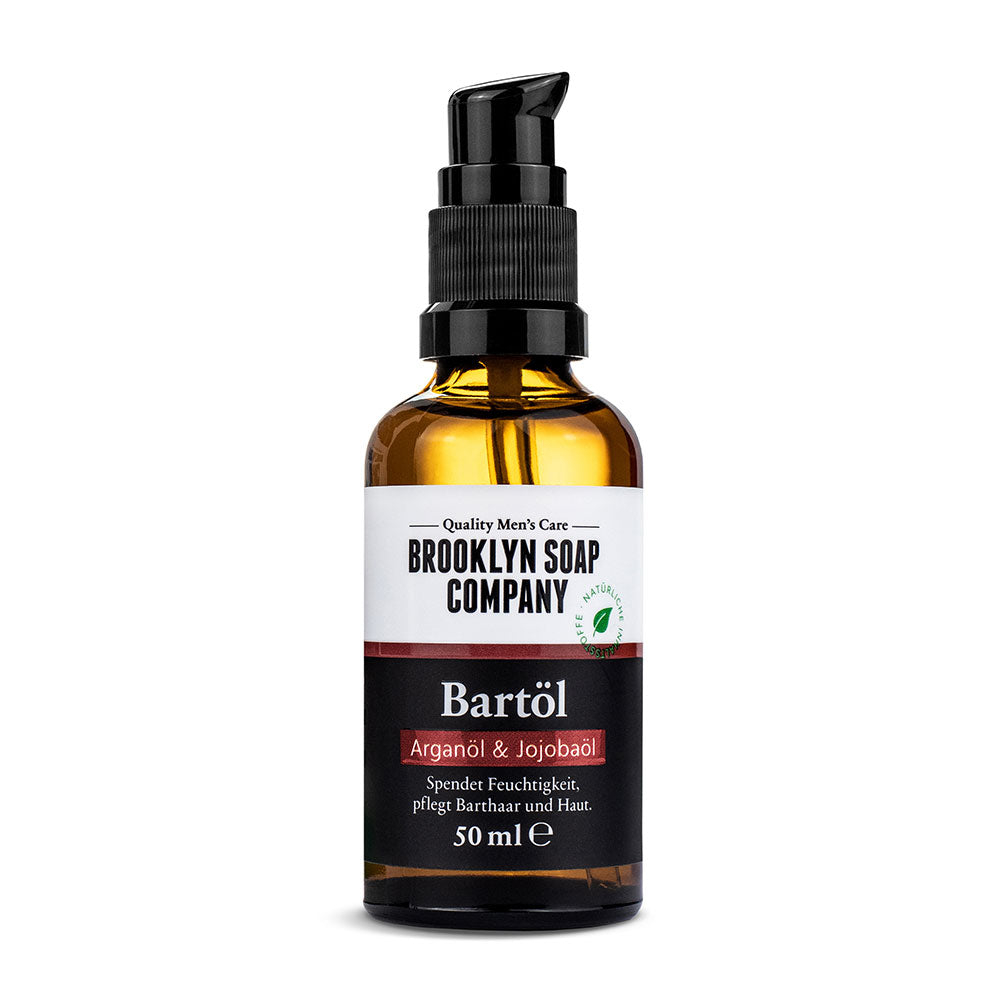
Often, it's enough to use a proper beard shampoo or solid beard soap and then massage in a good beard oil. Coconut, jojoba, CBD, and argan oil are great base oils here. This is especially important for dry facial skin and bacteria. Thorough washing and sufficient care usually solve the problem. In addition to water, wash your face with a face wash, for example with CBD for demanding facial skin or with clay for a gentle exfoliating effect. The latter also helps with ingrown hairs.

Especially for dry or very dry facial skin, our 2-in-1 Beard Softener or another conditioner after washing is great! Then keep your fingers off your face and definitely don't scratch. If oil is not your go-to, try a 2-in-1 Beard and Face Cream. This will also save you time in your beard care routine. If you have ingrown hairs, grab a peel and incorporate it into your routine occasionally. You can find more tips for the perfect face care routine here.

Tip #2: Change razor blade and possibly trim
You already know that you need to change razor blades. And we mean it! Because it also prevents ingrown hairs and razor burn. Regular trimming is also important. Yes, we always tell you when growing a beard: keep your hands off the razor, but also that you can cut and trim contours. Of course, not in the first few weeks. But if your beard has already reached a considerable length and thickness, feel free to trim a bit.

Tip #3: Brushing
In addition, a beard brush and a beard comb are your best friends. Gently brush your beard daily with light pressure, as this massages the skin and stimulates blood circulation. It also distributes your skin's sebum and makes your beard hair look neat. This is especially great in the initial growth phase, as it allows you to "brush away" the itchiness without shaving or trimming. Oh, and you should also regularly clean your brush, remove hairs, and wash it with soap and water.

Tip #4: You are what you eat
You've probably heard this before, but what you eat greatly influences you. Not only the itching, but also beard growth can be supported or alleviated in this way. If your facial skin is too dry, it helps to integrate the following foods more consciously into your diet:

Coconut (oil)
Coconut (oil): the healthy fats of the fruit moisturize your skin - from the inside out.
Sweet potato
Their vitamin A helps your skin to renew itself and thus prevent dry skin. Especially in winter, they should find a place in your diet - because the vitamin C they contain strengthens your immune system.
Avocado
The super fruit that now makes it into at least one Instagram story in every café. Besides their delicious taste, avocados work almost wonders thanks to their healthy fats, proteins, and vitamins!
Olive oil
Here too, we owe the positive influence on your skin to a vitamin - vitamin E. This oil is therefore also found in many skincare products, but it also moisturizes your skin from the inside out when used in salads.
Carrots
Not only good for your eyes and for maintaining your summer tan, but also for collagen production. Why is that important? This structural protein ensures the firmness and elasticity of your connective tissue. In addition, we also find essential vitamins C and A here.
Fruits
All fruits with a high water content and low sugar. For example, berries or kiwis are great, as they provide lots of water in addition to great vitamins. Even if drinking is just as important, you can also "eat" your water. Citrus fruits are also very suitable here!
Nuts and seeds
Rich in omega-3 fatty acids, vitamins A, B and E, monounsaturated fatty acids, minerals and antioxidants, they strengthen your skin barrier, support the elasticity and moisture of your skin, as well as the regeneration of your cells. Even if the nutrients in seeds and nuts are amazing, you should consume nuts in moderate portions, especially.
Tea
More specifically, green tea. Full of antioxidants, it helps your skin to heal damaged areas.
Water
As already mentioned, adequate hydration is essential. Unfortunately, coffee and beer don't count, sorry. If you don't like water (it happens), squeeze half a lemon and add it to your water; it tastes especially good in combination with mint!
Which vitamins should I pay attention to?
Vitamins C and E promote the production of a type of natural body oil that moisturizes your hair and facial skin all by itself. Vitamin A is even said to promote hair growth - because healthy skin creates ideal conditions for a full beard. Omega-3 fatty acids particularly prevent itching and keep skin and hair from becoming dry and brittle.

Tip #5: Take care of your skin
Supporting your skin from within with food is important, but you should also remember that your skin is your largest organ and you absorb nutrients through it in the same way. Rubbing nuts on your skin and beard is of course more difficult than eating them, but coconut and almond oil, for example, can be found in many beard and face oils.
If you buy cosmetics, please pay attention to the ingredients! Chemical active ingredients have no place there and will only dry out your skin even more in the long run, then you'll need more oil and you'll be in a vicious circle and your beard will itch even more.
Certified natural cosmetics are a great starting point! Argan, jojoba, castor are additionally popular and great oils for skin and hair. But it doesn't necessarily have to be an oil; there are also great creams.
You can also mix your own beard treatment or face mask from household remedies, but we don't guarantee that. Avocado, olive oil, and lemon are said to be a good combination, for example, and if we look at the active ingredients of the individual foods, that also sounds good. But hey, trying is better than studying, right? If you ever mix something up, please give us feedback!

Sharing is caring!
Are you also suffering from an itchy beard? What's your best tip? We'd love to hear from you on facebook and Instagram!
Your Brooklyn Soap Team/Academy
FAQs
What to do if your beard itches?
The best thing to do is first find out why your beard itches. This makes the next step much more effective. Depending on the reason for your itch, you should try one or two (or more) of our tips! If the itching doesn't get better after some time, ask your dermatologist if they can mix a cream specifically tailored to your facial skin or if they have other tips for you. It could also be an intolerance to a product, food, etc.
Why does a beard itch when growing?
Beard itch occurs like this: Shaving creates a sharp edge on your beard hair, which then scratches your skin. Your skin becomes rough and starts to itch. The edge is created again with every new shave and only itches more. That's why we say: let your beard grow and support it. In addition, your skin is irritated and stressed by shaving and everyday influences, then the sharp, cut hairs may be added.
How long does a beard scratch?
That depends on the cause. If it's solely due to your dry skin, it will scratch until your skin is no longer dry. And that's not a one-time thing, but something you should incorporate into your daily routine to prevent further itching. Your whole body will thank you for it. If it's due to dull razor blades and razor burn, then it will last until the blades are changed and the razor burn is gone. Unfortunately, we cannot give you more precise information in days or weeks here, sorry.
Beard scratches when kissing - what can I do?
The beard softener is your best friend here. Otherwise, brush it regularly, use beard oil, and take good care of it. Incidentally, omega-3 fatty acids prevent and relieve itching.
I'm on the go and have nothing at hand - what can I do?
Wash your beard with water. This can acutely help, as small flakes of skin may have settled on your beard and are tickling your facial skin.
Discover more beard care tips in our Academy



Read more

Growing a Beard: 12 Weeks to a Full Beard First things first: good decision! But how exactly do you grow a beard? We'll show you some t...

Shaving your beard: 3 steps to a perfect shave Learn how to shave your beard properly. First, the question arises: dry or wet shave? T...