








Dandruff in the beard – How to recognize it and get rid of it
Dandruff in the Beard – How to Recognize and Get Rid of It
Dandruff is completely normal and often goes unnoticed. Your skin renews itself and sheds old skin cells. However, if this happens to too many areas of skin at once and they clump together, that's when you notice them as dandruff. This is a sign that something is out of balance. Reasons for these unwelcome flakes can include skin that is too dry or too oily, a poor or incorrect grooming product, various environmental factors, or even a fungal infection. We've got some tips for you on how to identify the cause and get rid of beard dandruff.

Causes of dandruff in the beard
The two most common causes of dandruff in the beard are dry skin and fungal infections. Dry skin can be easily managed by yourself. For a fungal infection, your dermatologist can help you. Besides excessively dry/oily skin and infections, hormonal, psychological, or an unbalanced diet can also be reasons for dandruff in your beard. But you don't have to be embarrassed by your beard dandruff. In fact, the problem occurs very frequently. Just see it as a hint from your body that you should pay a little more attention to your beard and face care routine or change something about it. This way, you can also prevent beard dandruff in the future.

Dry vs. Oily Dandruff
Dry Dandruff
In most cases, beard dandruff is dry, white, and easily flakes off your beard. This means that your skin is too dry, causing larger layers of your skin to peel off. This quickly leads to itching, and scratching can create more dandruff or even small cracks, making it easy for bacteria and viruses to enter. We've explained how best to care for your dry facial skin here: Facial care for men with dry skin.
Oily Dandruff
If your skin produces more sebum than it can shed, oily beard dandruff develops. It's usually yellowish, sticks to your beard hair, and consists of skin cells, sebum, and dirt. The cause of this type of beard dandruff is often the formation of a yeast fungus, which thrives in an oily environment.
Why is this distinction important? You need to know what's causing your beard dandruff to treat it properly and effectively prevent it.
Dandruff in the beard – What really helps?
If you haven't already: Look in a mirror and find out if your dandruff is dry and white or rather yellowish and sticky.
What can you do about dry beard dandruff?
Dry beard dandruff is caused by internal and external influences. Internal factors include negative stress, smoking, alcohol, and insufficient fluid intake. External factors include water that is too hot, very dry or cold air, heat from blow-drying, or shampoo that is not specifically designed for your beard. Logically, a first step would be to consider these influences for yourself, then change them, and thus prevent dandruff in your beard in the long term. As a second step and also as an acute remedy, we need to talk about your beard and face care. If this is the first time you've heard of it, please read the articles about it first. We've summarized the most important tips and home remedies for you:

1. Wash your beard and face
Wash your beard with lukewarm – not too hot – water and every three days with a beard shampoo. It's important here to really use a beard shampoo and not hair shampoo or shower gel. These are too aggressive for your sensitive facial skin and will only dry it out more. If your skin is very dry, you can also leave more time between washes and, for example, only wash once a week initially.

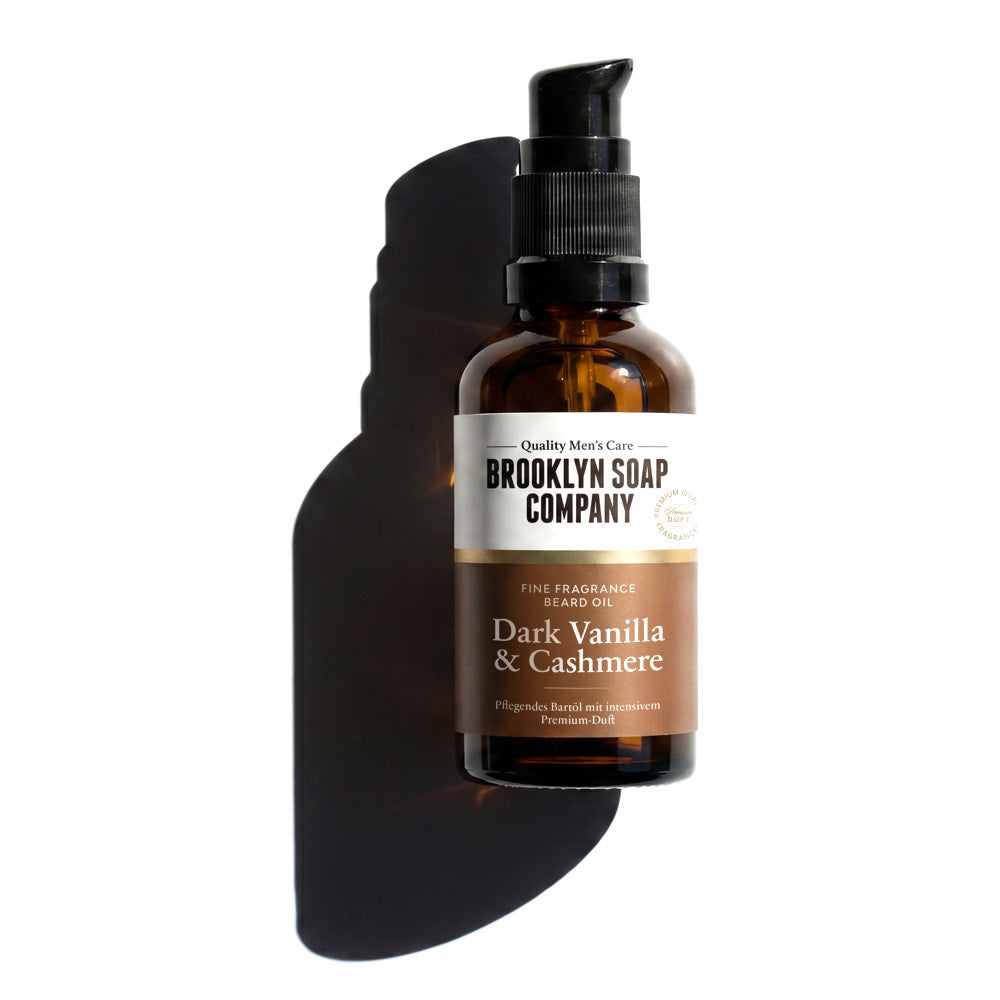
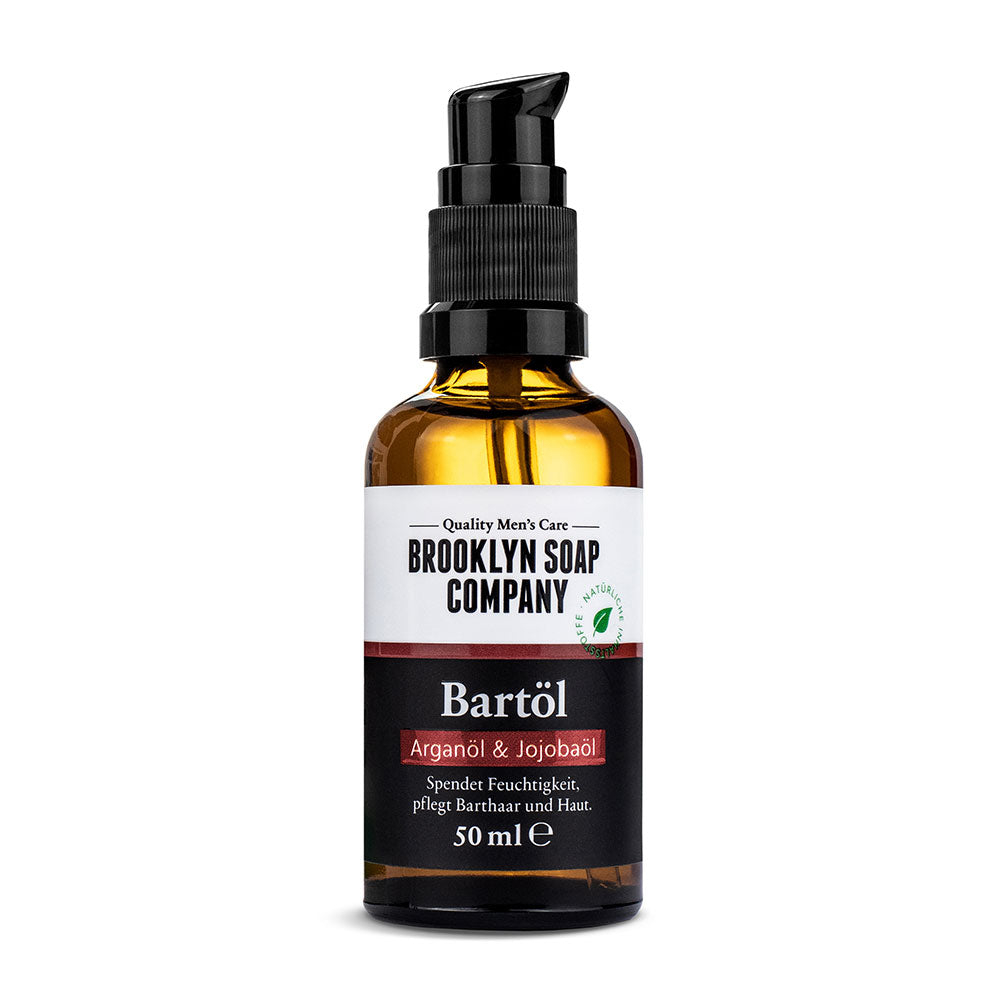
2. Get yourself a high-quality beard oil
Especially jojoba, almond, coconut, or argan oil are great ingredients for your beard oil. They all provide a lot of moisture; almond oil is also re-fattening and argan oil is antibacterial. Here, don't choose the cheapest one, but make sure that only natural substances have been added to the oils.
3. Integrate a beard brush into your routine
Yes, there are special brushes for your beard. They help distribute your skin's sebum into your beard. They also help remove dead skin flakes from your beard. For this reason, your beard brush must always be cleaned. Bonus: regular brushing is also said to stimulate hair growth!

4. Look more closely at your plate and not too deeply into your glass
A diet too high in sugar and unbalanced, as well as too much alcohol or nicotine, will quickly show on your skin. Try to integrate these nutrients and vitamins more into your diet:
→ Zinc: found in fish, meat, soybeans, and whole grain products
→ Vitamins A, E, and B7: carrots, cabbage, nuts, avocados, and flax seeds
Also, drink enough water or unsweetened tea, and less sugary soft drinks or alcoholic beverages.

What can you do about oily beard dandruff?
Oily beard dandruff can sometimes be treated by yourself.
1. Wash your beard daily and use clay
Again, lukewarm water is better than hot. And use a beard shampoo more often. Anti-dandruff shampoos for the scalp may be tempting, but they dry out your skin too aggressively.

2. Even with oily skin: a good beard oil
This may sound strange, but if your skin is often too oily, it produces excessive sebum to prevent drying out from aggressive care products. If you also use drying cosmetics, your skin will only produce more sebum. Good options include jojoba, wild rose, argan and hemp oil, as they have anti-inflammatory properties and help to balance your skin. But only use a few drops; either daily or two to three times a week.

3. Use a good beard brush or a beard comb
Here too, you should regularly and carefully remove oily beard dandruff from your beard. A beard comb is the better choice for a full beard.

However, oily beard dandruff can also be a sign of an infection. If the dandruff is not only in your beard but also in your eyebrows or on other parts of your body, this could be an indication of a fungal infection, skin inflammation, or psoriasis. You should then have this checked by your dermatologist.
Preventing beard dandruff
Depending on the cause of your beard dandruff, you can directly prevent it with our tips. A good beard care routine is essential for both types of dandruff and should then be individually adjusted for you.
Discover the perfect routine against beard dandruff
When nothing else helps... When should you see a doctor?
As a rule, you should see a significant improvement in your beard and face after a few days, and no later than 3–4 weeks. If this is not the case, or if you notice oily dandruff in several places, we strongly recommend that you consult a doctor. This is because a skin condition needs to be properly treated.
Seborrheic eczema – what is it and what can I do about it?
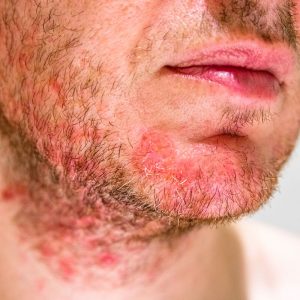
In connection with beard dandruff, you have certainly heard of this skin condition. An indication of this is oily, white-yellowish flakes, red or light patches and, rarely, itching. This is an inflammatory reaction of your body, probably due to a yeast infection. It can also appear on your scalp or other oily areas of your body. The eczema is not contagious and can be easily treated by your dermatologist. It is also important to have the areas examined by a doctor to rule out other skin conditions, such as beard ringworm or neurodermatitis.

Sharing is caring!
How do you deal with dandruff? What is your favorite beard oil? We'd love to hear from you on Instagram or Facebook.
FAQ:
What's the point of beard shampoo? Can I use hair shampoo instead?
Stay away from your hair shampoo! Your facial skin is much more sensitive and has completely different needs than your scalp. Hair shampoo will only dry out your facial skin more and, in doubt, lead to even more flakes. A beard shampoo has been specially developed for your beard hair and the skin underneath. It cleans your beard, makes it softer, and also nourishes the underlying skin. Our beard shampoo is also re-fattening.
What to do about dry skin under your beard?
Again, use a beard shampoo, not a hair shampoo. In addition, high-quality beard oils or beard and face creams provide not only your beard, but also the skin under your beard with an extra portion of moisture. A good shaving – and facial care routine are also essential.
Discover more beard care tips in our Academy


Read more

Ingrown Beard Hairs – Causes & Valuable Tips Whether they are just an optical nuisance or even painful: nobody wants ingrown hairs ...

Shaving with a Safety Razor – How to Use Your Safety Razor Correctly Safety razors – also known as double-edge razors – have been used ...